
8 Homeowners Using ADUs to Change How They Live
Most homes are designed for a specific stage of life. But over time, the way people live inside them changes.
Needs shift. Families evolve. Costs rise. And eventually, many homeowners reach a point where they start asking more from their home than it was originally designed to provide.
That’s part of why more people are exploring Additional Dwelling Units (ADUs). Not simply as added square footage, but as a way to create flexibility, opportunity, and longer-term options within the property they already own.
When thoughtfully designed, an ADU can change how a home functions, both now and in the future.
Here, we’re sharing eight homeowner stories that show the different ways people are using ADUs to reshape how they live.
1. The Multi-Generational Home
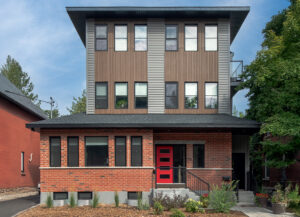
The situation: A family we work with that wants to bring three generations together while maintaining independence for each household.
How we designed an ADU to support their goals:
- Each generation has its own defined space while staying close together.
- The family remains in a mature neighbourhood they grew up and grew their family in.
- Daily support naturally becomes part of how the household functions.
- Grandchildren grow up with grandparents present every day.
- The family avoids the financial pressure of maintaining multiple separate homes.
- Independence and connection exist together.
2. The Investment Property
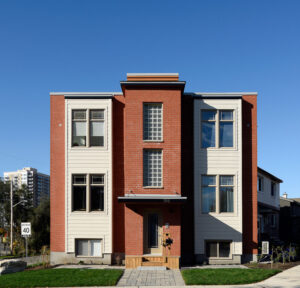
The situation: A homeowner in retirement who has paid off their mortgage and wants to use the equity in it to support their next chapter.
How we designed an ADU to support their goals:
- The value built up in their home helps finance the project.
- A separate building with three units is created within the property.
- Those units provide steady rental income.
- They remain in their home and neighbourhood.
- Their property becomes part of their retirement financial plan.
3. The Independent Aging Parents
The situation: A family wants to bring an aging parent closer while still respecting their independence.
How we designed an ADU to support their goals:
- A coach house allows the parent to live on the same property in a fully separate space.
- Everyone remains close for daily connection and support.
- Privacy and autonomy are maintained on both sides.
- The family gains peace of mind knowing help is nearby.
- The relationship becomes more balanced and sustainable.
4. The Basement Suite
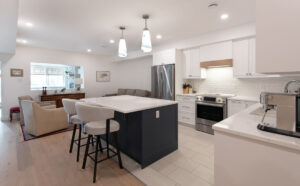
The situation: A family with an underused basement space wants to make better use of their home while also planning for future income potential.
How we designed an ADU to support their goals:
- The basement becomes a fully-functional independent living space.
- Aging parents can live there comfortably and independently.
- The space can transition into a rental in the future.
- The home becomes more flexible as life changes.
5. The Accessible Build
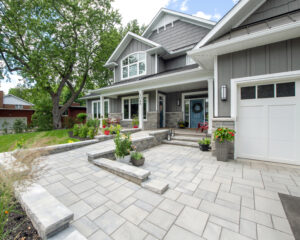
The situation: A family we work with is navigating mobility challenges and planning ahead for long-term accessibility.
How we designed an ADU to support their goals:
- The home is built to integrate mobility needs throughout without disrupting free-flow between spaces.
- Family members stay close through different stages of life.
- Care happens without disrupting independence.
- The layout reduces the need for future major renovations.
- The home is prepared for changing needs over time.
6. The Renovation for Personal and Rental Pursuits
The situation: A homeowner wants to make better use of their property for their own living while creating opportunity for rental income.
How we designed an ADU to support their goals:
- The home supports both personal and community needs.
- Additional units provide long-term housing.
- The homeowner gains reliable rental income.
- The property is used in a more meaningful way.
7. The Income Booster
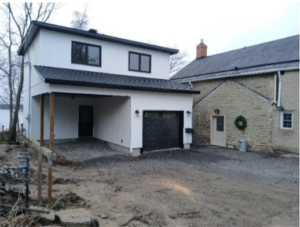
The situation: A homeowner with existing underused space who wants to ease financial pressure without moving or expanding significantly.
How we designed an ADU to support their goals:
- Created a rental unit above a garage renovation.
- A new stream of monthly income is created.
- The property becomes more financially balanced.
- Existing land and structures are used more efficiently.
- The home helps offset rising living costs.
8. The First-Time Home Buyer
The situation: A first-time buyer wants a way into homeownership that is financially sustainable long-term.
How we designed an ADU to support their goals:
- A secondary unit helps offset monthly carrying costs.
- Homeownership becomes possible sooner than expected.
- The property provides financial stability from day one.
- The home offers flexibility for future life changes.
- The purchase becomes more manageable over time.
Different Stories, Same Solution
Every one of these homeowners had a different problem. But the solution had the same shape: a well-designed ADU that made more effective use of a property they already owned.
ADUs are a practical, proven response to real pressures, housing costs, aging populations, multigenerational families, student housing shortages, and the desire for income without becoming a developer.
The question isn’t whether Additional Dwelling Units make sense. It’s about which one makes sense for you.
Thinking About an Additional Dwelling Unit?
At Amsted, we’ve guided homeowners through multiple types of Additional Dwelling Units, from basement suites to coach houses to full custom builds.
Start with a conversation. Tell us your situation, and we’ll help you figure out what’s actually possible on your property.